
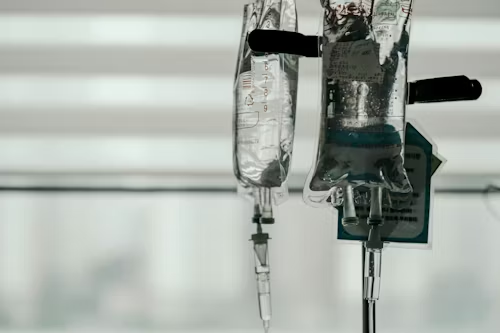
Benefits of Home Service IV Drip for Body Recovery
Home service IV drip is a medicine that uses a method of administering medication through intravenous injection or infusion. This method involves administering medication through a vein. The medication is injected directly into the vein using a needle or tube called an IV catheter.
Understanding the Important Benefits of Home Service IV Drip
Intravenous injection, or IV, is a medical procedure performed by a medical professional. This method typically accelerates the absorption of medication by patients.
Intravenous injection can be performed if a patient requires medication to be administered slowly into the body. The valve and tube used in this method make it easier for medical personnel to regulate the dose and time required to ensure proper absorption of the medication.
Benefits of IV Drips
In the medical world, intravenous injections can provide several important benefits, including:
- Replacing body fluids lost due to dehydration, for example, due to vomiting, diarrhea, or burns.
- Allowing medication to be administered directly into the bloodstream. This method ensures the medication works quickly.
- Providing nutrition directly into the bloodstream for patients who cannot eat or absorb nutrients optimally through the digestive tract.
- Restores electrolytes in the body, such as sodium, potassium, and calcium.
Types of IV Fluids
Actually, there are several types of IV fluids commonly used in home service IV drip. Each fluid has a different composition and indications. Some of these include:
- Saline (NaCl): A salt solution useful for rehydration and electrolyte replacement in the body.
- Dextrose: A sugar solution that provides calories while helping to increase blood sugar levels.
- Ringer’s lactate: Contains electrolytes similar to the composition of body fluids. This fluid is used for rehydration and electrolyte balance.
- Albumin: Used to increase blood volume and oncotic pressure. This fluid is also often used in patients experiencing protein loss or shock.
Types of Intravenous Methods Used
Typically, the standard IV method is used for short-term or up to four days. This method simply involves inserting a syringe into a vein in the wrist, elbow, or back of the hand. Then, a catheter is inserted in place of the needle.
Standard intravenous catheters are generally used in the following two types of methods:
Intravenous injection: Using a regular syringe to inject medication into the catheter. This method is used to deliver medication into the veins in a single dose.
Intravenous infusion: Used to deliver medication into the veins continuously but gradually. This includes pump infusions and drip infusions.
Home service IV drip is a medical procedure that uses the method of administering medication through an intravenous infusion. This procedure is useful for replacing body fluids, ensuring the medication works quickly, delivering nutrients directly to the blood vessels, and restoring electrolytes in the body.
You may also like

Leave a Reply